
Can Batteries Prevent Summer ERCOT Blackouts?

Texas is adding large grid batteries at a fast pace. During Winter Storm Fern, utility scale batteries played a real role in keeping the grid stable. During the winter storm, batteries supplied about 9.5 percent of ERCOT power. While only for a short time, they added more than 7,000 megawatts to the system. That extra supply helped demand stay below available power. For customers who rely on their electric company to keep the lights on, this was an encouraging sign. Many Texans now wonder if they can help prevent ERCOT blackouts this summer.
What Batteries Did During Winter Storm Fern
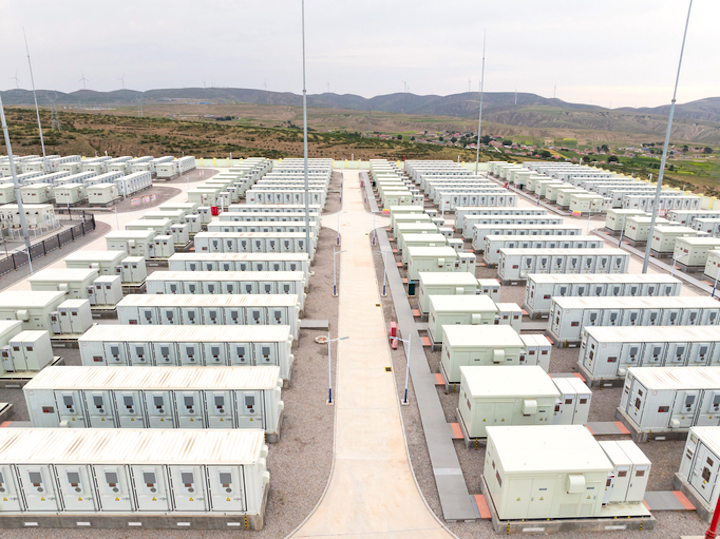
Battery energy storage systems, or “BESS”, can respond almost instantly to demand. When power plants trip offline or demand jumps, batteries can inject power into the grid within seconds. During Fern, that fast response helped cover shortfalls and smooth out swings in supply.
This is a big change from just a few years ago. In 2021, batteries played almost no role during Winter Storm Uri. Since then, Texas has added many large battery projects, giving ERCOT a new tool to manage stress on the grid. Batteries do not replace Texas power plants, but they can buy time. And this reduces the risk of sudden short falls.
Preventing ERCOT Blackouts This Summer
Many new battery projects are set to come online across Texas this year. Project trackers show dozens of large systems planned or under construction in ERCOT. These batteries can help during the hardest hours of the day, especially in late afternoon and early evening.
Timing matters in the evening. Summer peak demand often hits when solar output falls and air conditioners are still running hard. Batteries can store extra power earlier in the day and then release it during those peak hours. This can help reduce strain and lower the chance of short supply.
Still, batteries have limits. Most systems can only run for a few hours at full output. If a heat wave lasts for days and demand stays high, batteries alone cannot carry the grid. They work best as a support tool, not a full solution for declining ERCOT reserves.
Why Some Communities Oppose Battery Projects
Not everyone welcomes large battery sites. Some communities have pushed back on BESS projects planned near homes or rural areas. Residents often raise concerns about fire risk, noise, and how these sites fit into local land use.
In some parts of Texas, proposed battery projects have been delayed or pulled after public opposition. While safety standards continue to improve, local resistance can slow how fast batteries get built. That can limit how much new storage comes online in time to help during peak seasons.
What This Means for Texans
Batteries are becoming an important part of the Texas grid. They already helped during Winter Storm Fern, and new projects should improve reliability this summer. However, they are not a silver bullet.
ERCOT blackouts may be less likely in short bursts, but long heat waves still pose a risk. As costs rise to add batteries, power plants, and grid upgrades, those expenses can flow into electric rates over time.
For consumers, this makes it smart to stay informed and use their power to choose providers carefully. Choosing a stable plan and watching how grid changes affect prices can help manage risk. Compare current options and find plans that fit your needs at https://www.texaselectricityratings.com/electricity-rates.